





New anti-malaria drug developed at Dundee University
18.06.2015 20:00


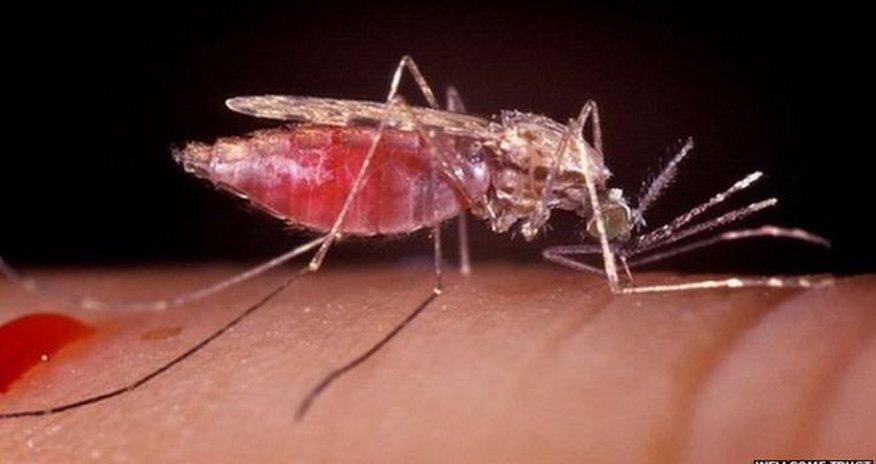
Researchers at Dundee University have discovered a new compound which could treat malaria while protecting people from the disease and preventing its spread, all in a single dose.
The compound, DDD107498, was developed by the university's Drug Discovery Unit and the Medicines for Malaria Venture.
Scientists said the "exciting" new drug could work well against parasites resistant to current treatments.
Details of the discovery have been published in the journal Nature.
The World Health Organisation reported 200 million clinical cases of malaria in 2013, with 584,000 people dying from the mosquito-borne disease, most of them pregnant women or children under five.
Concerns have been growing about strains of malaria which are resistant to current treatments, which have already appeared on the border between Myanmar and India.
'Real threat'
Dr Kevin Read, joint leader of the project, said new drugs were "urgently needed".
He said: "Resistance to the current gold-standard anti-malarial drug is now considered a real threat.
"The compound we have discovered works in a different way to all other anti-malarial medicines on the market or in clinical development, which means that it has great potential to work against current drug-resistant parasites.
"It targets part of the machinery that makes proteins within the parasite that causes malaria."
Dr David Reddy, CEO of MMV, added: "Malaria continues to threaten almost half of the world's population - the half that can least afford it.
"DDD107498 is an exciting compound since it holds the promise to not only treat but also protect these vulnerable populations."
The university has been working with MMV since 2009 to identify new treatments for the disease. The project was initiated by testing a collection of about 4,700 compounds at the Drug Discovery Unit (DDU), to see if any would kill the malaria parasite.
This provided the chemical starting-point for the new compound, which was optimised through cycles of design, preparation and testing.
The compound is now undergoing safety testing through MMV, with a view to entering human clinical trials within the next year.
Prof Ian Gilbert, head of chemistry at the DDU, who led the team which discovered the compound, said he was "very excited" by the progress made.
He said: "The publication reveals that DDD107498 has the potential to treat malaria with a single dose, prevent the spread of malaria from infected people, and protect a person from developing the disease in the first place."
(BBC)
www.ann.az


Facebook
Follow us on Facebook


Similar news
Similar news











 Photo




 Video


