





Oil prices rise sharply on news of Saudi-Russia production meeting
16.02.2016 11:00


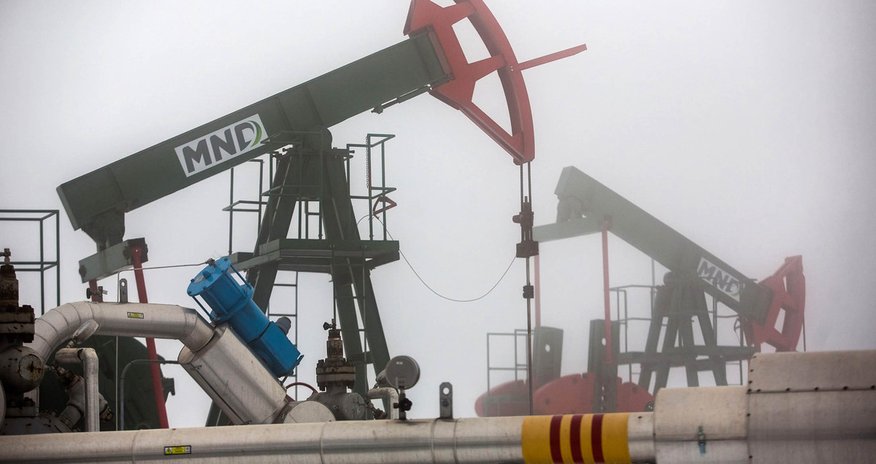
Crude-oil prices rose in early Asia trade Tuesday on news that the Saudi Arabian and Russian energy ministers are set to meet in Qatar later today to discuss production, stoking speculation of a possible production cut or freeze.
On the New York Mercantile Exchange, light, sweet crude futures for delivery in March recently traded at $30.82 a barrel, up $1.38 in the Globex electronic session. April Brent crude on London’s ICE Futures exchange rose $1.20 to $34.59 a barrel.
Oil prices have plunged more than 70% since June 2014 and could stay low for longer unless a drastic production cut helps to trim down the global supply glut. Major oil suppliers within the Organization of the Petroleum Exporting Countries—as well as other players, such as Russia and U.S.—have been unwilling to cut output because they want to defend their shares of the market.
"Saudi Arabia is not eager to cut production to restore the supply and demand balance, but could consider output cuts if other producers join,” ANZ Research said in a note.
Prices were further bruised after sanctions against Iran’s oil exports were lifted in mid-January. Over the weekend, Iranian officials said the country had increased exports by 400,000 barrels a day.
With the world awash in oil, global demand is drying up.
According to the International Energy Agency, global oil demand growth is likely to ease back considerably to 1.2 million barrels a day compared with 1.6 million barrels a day in 2015.
Despite waning global demand, production from Russia and OPEC has remained strong. OPEC’s latest report shows that in 2015, Russia’s oil production reached a record high of 10.8 million barrels a day. OPEC’s output also rose by 280,000 barrels a day to 32.63 million barrels a day, according to the IEA, which attributed the additional supplies to Iran, Saudi Arabia and Iraq.
OPEC officials have said a new idea has been discussed in recent days—a production freeze that would require members and Russia to not pump more than they are now. That would allow Iran to continue pumping at its current rate and Russia wouldn’t have to change much, as its production is projected to be flat this year.
(WSJ)
www.ann.az


Twitter
Follow us on Twitter

Similar news
Similar news






 Photo




 Video


