





Electricity demand is surging across the Middle East and North Africa, driven by cooling and desalination needs
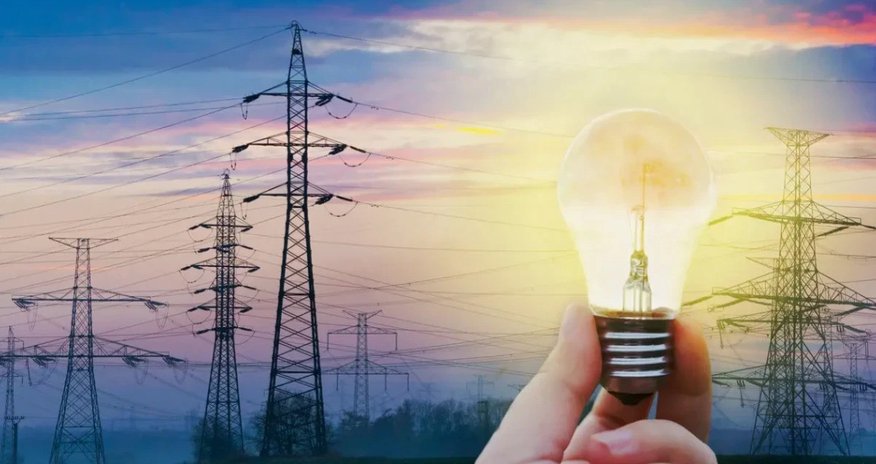


Electricity consumption in the Middle East and North Africa has soared in recent decades and is set to keep rising sharply, with a range of sources expected to meet the growing demand as countries seek to diversify their power supplies.
The Future of Electricity in the Middle East and North Africa provides detailed country-by-country analysis of the electricity sectors across a region that has long been a cornerstone of the global energy system. The report finds that electricity demand in the Middle East and North Africa tripled between 2000 and 2024 as populations and incomes rose.
Based on today’s policy settings, the region’s electricity consumption is projected to rise by another 50% by 2035 – adding the equivalent of the current demand of Germany and Spain combined.With a climate characterised by extreme heat and water scarcity in most parts of the region, the largest portion of the projected increase in electricity demand over the next decade – around 40% – is set to come from cooling and desalination. Other important factors driving up electricity consumption in the region include urbanisation, industrialisation, the electrification of transport and the expansion of digital infrastructure such as data centres.
Today, natural gas and oil overwhelmingly dominate the region’s electricity mix, accounting for over 90% of total generation, the report finds. However, many countries – including Saudi Arabia and Iraq – are pursuing policies to reduce the role oil plays in their power systems, freeing it up for higher value uses or export.
As a result, based on today’s policy settings, natural gas is set to meet half of electricity demand growth to 2035 in the Middle East and North Africa. This would help reduce oil-fired output to just 5% of total generation, down from 20% today. Meanwhile, solar PV capacity in the region is on course to increase tenfold by 2035, pushing the share of renewables in the region’s electricity generation to around 25%. And nuclear power is poised to expand strongly, with capacity set to triple.
“Demand for electricity is surging across the Middle East and North Africa, driven by the rapidly rising need for air conditioning and water desalination in a heat- and water-stressed region with growing populations and economies. The region has already seen the third largest growth in electricity consumption globally since the start of the century, after China and India. To meet this demand, power capacity over the next 10 years is set to expand by over 300 gigawatts, the equivalent of three times Saudi Arabia’s current total generation capacity,” said IEA Executive Director Fatih Birol.
“Based on the policy plans of governments across the Middle East and North Africa, the region is set to steadily shift away from using oil for electricity generation over the next decade, with natural gas, solar and nuclear all expanding,” Dr Birol said. “This is set to change the power mix considerably, with implications for global energy balances and emissions.”
Power sector investment in the region reached $44 billion in 2024 and is projected to rise by another 50% by 2035. Nearly 40% of this spending is set to go towards grids, helping the region to address transmission and distribution losses that are currently double the global average.
The report finds that grid modernisation, as well as expanding regional interconnections, will be critical to underpin electricity security in Middle Eastern and North African economies. A balanced approach to integrating renewables is also crucial, combining energy storage, demand-side flexibility, and sufficient dispatchable natural gas-fired capacity to manage variable solar or wind supply.
Energy efficiency will also play an important role in the region’s electricity demand trends. The average efficiency rating of air conditioners in the region is currently less than half the average level in Japan, according to the report. Improving air conditioner efficiency alone could reduce peak electricity demand growth by an amount equivalent to Iraq’s total power capacity today.
The report considers what would happen if electricity systems in the region were to diversify less quickly than envisaged under the targets countries have set. In such a scenario, oil and gas demand for electricity generation would rise by over a quarter by 2035. This would result in a reduction of oil and gas export revenues of $80 billion, and a $20 billion increase in import bills.










 Photo




 Video


