





Why are Indian gurus selling noodles?
10.02.2016 21:00


Why do Indian gurus sell noodles - and much more?
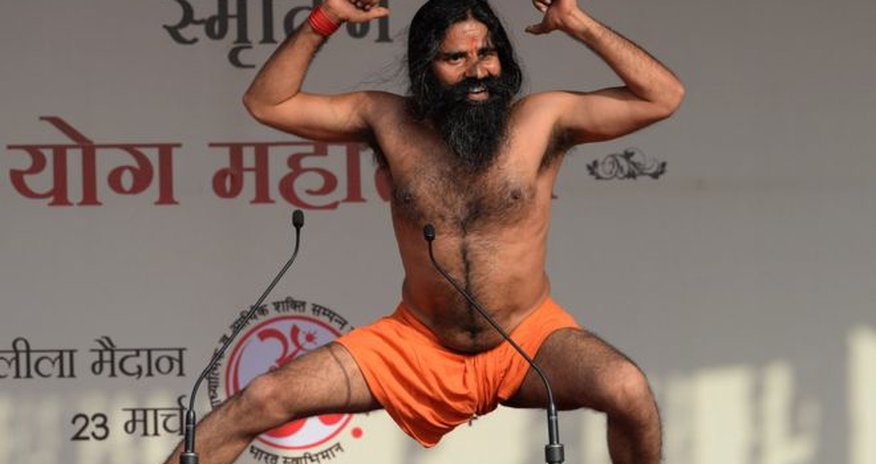
Popular yoga guru Baba Ramdev is behind one of India's fastest-growing consumer goods companies. Forbes magazine calls his Patanjali empire the "Indian version of Body Shop".
The saffron-robed, bearded Mr Ramdev sells honey, health drinks, fruit juices, sweets, cookies, spices, tea, flour, muesli, pickles, soap, balms, shampoos - and noodles.
An avid supporter of Prime Minister Narendra Modi, he has taken on Nestle's hugely popular Maggi instant noodles. Despite early concerns about the quality of his noodles, he is promoting the brand as a healthy alternative to similar food products. The guru's noodles are cooking well in the market.
Thriving business
Encouraged by Mr Ramdev's commercial success, another guru, Gurmeet Ram Rahim Singh, has unveiled his own line of food products.
Better known for his bling and for tacky performances on stage and cinema as a rotund rock star and bike-riding hero, the guru will now also sell pickles, honey, bottled water, and yes, noodles.
The guru, who runs a thriving sect, wants the "nation to become healthier" by consuming "organic products". The controversial leader lists 117 "humanitarian activities" on his website, including efforts to eliminate homosexuality, running an international blood bank, promoting vegetarianism and feeding birds.
Down in southern India, Sri Sri Ravishankar, a guru popular with the middle and upper classes, has a line of ayurvedic (traditional Indian medicine) products, including toothpaste, protein shampoos, herbal tea, anti-diabetic tablets, balms and syrups, produced out of a "world-class" facility in Bangalore.
The country's most famous woman guru Mata Amritanandamayi runs hospitals, a TV channel, engineering colleges and business schools, among other things.
Meanwhile, Sri Satya Sai Baba, an orange-robed guru with an afro hairstyle, left behind a multi-billion dollar empire, straddling hospitals, clinics and universities, when he died in 2011.
Indian gurus have long leveraged their mass followings and networks - political and business - for commercial gain.
In the early days, they made money mediating between the east and west. Mahesh Yogi, for example, sold yoga and meditation to millions of foreigners. But times have changed, and the gurus - living gods to the legions of their supporters - have adapted nimbly.
With more than a little help from politicians, the gurus have gone from strength to strength.
Key players
It obviously helps that their followers easily translate into captive markets for the products they want to make and sell. Their home-grown marketing savvy helps them build modern-day consumer goods empires. Most make ayurvedic and organic products, tapping into the country's ancient heritage.
Most of the successful gurus are known to be supporters of the incumbent governments, and display remarkable political nous.
"Gurus - spurious or genuine - are key players in the business and politics of spirituality," says Lise McKean, anthropologist and author of Divine Enterprise, a book that examines the business side of the Hindu religion.
"The activities of many gurus and their organisations in the 1980s and 1990s are related to the simultaneous expansion of transnational capitalism in India and abroad."
So selling yoga to foreigners is almost passé. The new-age - and often brash - gurus have set their sights beyond their followers and are reaching out to India's growing domestic market, a move that must be making a number of multinational companies skittish. So, their products are now finding buyers even among the non-believers.
'Health is spirituality'
One of them is sociologist Shiv Visvanathan, who has visited some 20 shops selling Mr Ramdev's products. He says he is impressed by the quality of some of his wares.
"The flour is top quality, the shampoo is good. The biscuit, which dissolves quickly when dipped in tea, is bad," he says.
But more seriously, he says, Mr Ramdev is catering to the virtuous cycle of the Indian household - "health, medicine and cosmetics".
"The gurus like Mr Ramdev are telling us is that health is spirituality," says Mr Visvanathan.
Clearly, spiritual capitalism is alive and well in India. The empires of devotion are flourishing. One guru famously said that wealth followed worship.
His message was meant for his devotees who were shunning their charitable obligations. It could have been aimed at the gurus themselves.
(BBC)
www.ann.az


Twitter
Follow us on Twitter

Similar news
Similar news

World 12:30
Iran Urges Middle East Nations to Reject US Military Support, Warns of Retaliatory Strikes










 Photo




 Video


