





The men and women who escaped ISIL
30.03.2016 21:00


It is what is hoped to be the final assault in the battle to retake the city of Mosul. Security forces, Sunni tribal fighters launched the offensive on Thursday supported by Kurdish Peshmerga and the international coalition. First the outlying villages had to be liberated.
That includes the key target of Makhmur which lies around 70 kilometres southeast of Mosul. After bitter battles it was one of about eight villages which were retaken after they had been seized by the so-called Islamic State. Makhmur, it’s reported has now been secured.
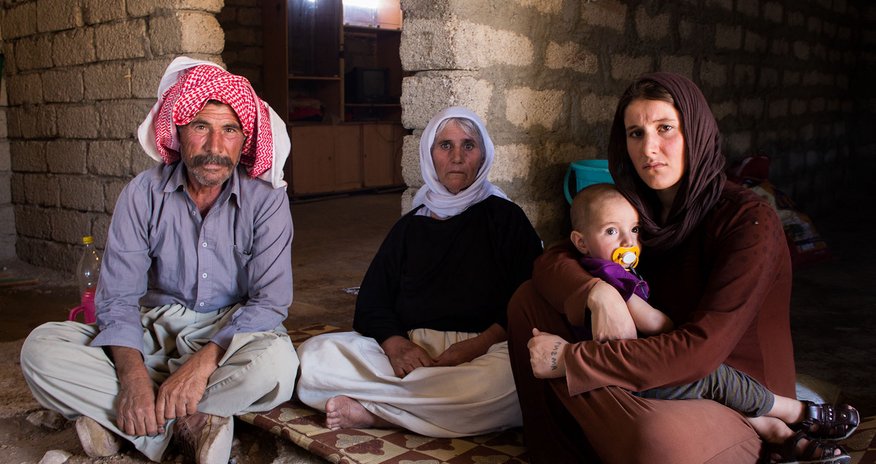
Thousands of Iraqi families have fled to the village from Mosul desperate to escape the rule of ISIL. They are being housed in a sports complex. It was opened up as there are no camps to house them.
Space is at a premium with, as in Arab tradition, the men separated from the women. They told euronews of what life was like under ISIL for more than two years. How the jihadists controlled their every movement and the fear which it instilled in them. They did not want to give their names for fear of reprisals from ISIL on other family members beyond the village.
"ISIL used strong methods of repression on us. They were very brutal, told us we had to have beards, we were not allowed to smoke and had to wear long clothes like them. They imposed an extreme life style on us, practising racial discrimination. They are terrorists beyond description,” one man told euronews.
For those who dared to disagree there was always the ultimate threat of executions. No one felt safe in their own homes for even there ISIL imposed their beliefs.
"Most of the time we stayed in our own homes. We were afraid to speak. They controlled every single thing in our life. They made women cover their faces completely, the men had to wear long clothes like them and have a beard. Even if you had a problem inside your own house with your own family they would intervene,” explained one woman.
Some told us life under ISIL control was, "like hell”. Fear was the overriding emotion and it was, our correspondent Mohammed Shaikhibrahim in Makhmur reported, as if fear was still chasing them.
"For more than two years these people have lived under the rule of ISIL like prisoners and now they have ended up here displaced and homeless. They are looking for a safe haven to which they can bring the rest of their families who are still alive.”
(euronews.com)
www.ann.az


Instagram
Follow us on Instagram
Similar news
Similar news

World 12:30
Iran Urges Middle East Nations to Reject US Military Support, Warns of Retaliatory Strikes











 Photo




 Video


