





Ebola leaves a painful legacy for survivors in Sierra Leone
29.05.2020 12:28


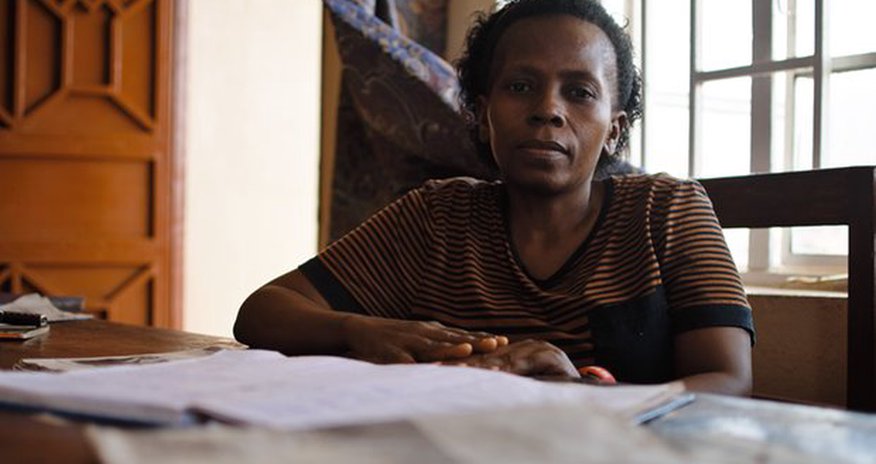
Beatrice’s medicines cost 300,000 Leones (£53) which, in a nation where the minimum wage is less than £3 a day, was not an easy sum to raise. She had to persuade friends to lend her the money.
When asked if she thinks the government will eventually deliver on their promise of free healthcare, she shakes her head. "What they say today, they change tomorrow.”
After the government promised the comprehensive package for Ebola survivors, they turned to charitable agencies to help them provide and implement it, including the World Health Organisation, Unicef, and Médecins Sans Frontières.
Mauricio Calteron, the head of care and support for Ebola survivors at the WHO, works with the Sierra Leonean government, and says there are some gaps in the response effort.
"Healthcare should be free to survivors and we are working to correct that,” he said, acknowledging that many pharmacies are inadequately stocked, forcing survivors to go elsewhere and pay.
Part of the problem, he said, is lack of experience and knowledge surrounding the health complications that follow Ebola, and how long these after-effects can last.
Calteron fears new problems may continue to emerge, making it difficult to provide the required medicines.
"We’ve found that these things don’t go away after three months as, after a year and a half of convalescence, problems are still persisting.”
Santigi suffers from uveitis, which can lead to blindness if untreated, and is afraid of losing his sight. Partners in Health, a global health NGO, has secured free eye checkups and treatment for all registered survivors, so those suffering from uveitis can now get the necessary help for free.
Other complications can arise as a result of glandular failure. Calteron says acute meningitis has also been acknowledged as a likely side-effect of Ebola.
Relentless joint pain can have a disastrous effect on survivors’ livelihoods, especially those who do manual labour.
Sulman Jalloh is a cleaner in a government hospital in Freetown, where he contracted the disease in June 2014. He has returned to work but suffers from serious backache and cannot afford pain relief. "I don’t take medicine because I don’t have the money, but I hope that God can help me,” he says.
www.ann.az


Youtube
Follow us on Youtube


Similar news
Similar news

World 12:30
Iran Urges Middle East Nations to Reject US Military Support, Warns of Retaliatory Strikes











 Photo




 Video


