





Turkey, Russia sign pipeline deal, agree on nuclear plant
29.05.2020 04:02


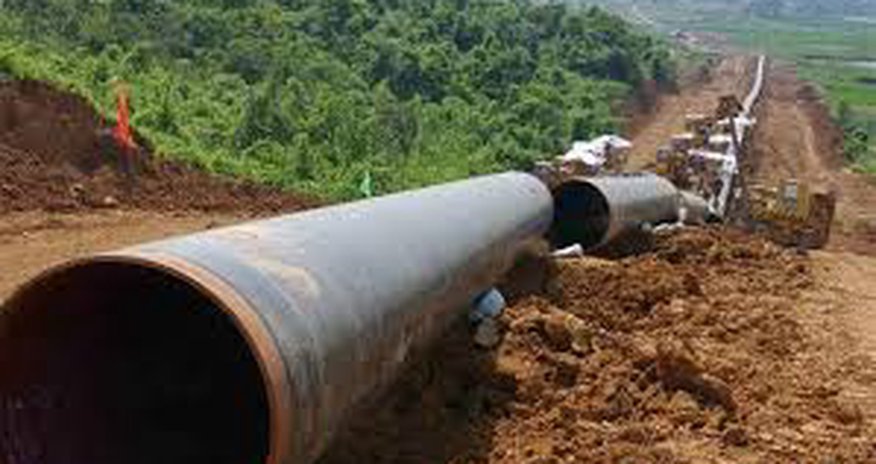
Russia's Gazprom and Turkey's BOTAS in 2014 signed a memorandum of understanding (MoU) for the construction of the Turkish Stream gas pipeline, with a capacity of 63 billion cubic meters (
bcm ) of gas per year from Russia to Turkey across the Black Sea.
However, talks on the project were halted last year after Turkey shot down a Russian air force jet and Moscow retaliated with trade sanctions but since then the twocountires have made significant progress to mend relations.
Erdogan said in August at a joint news conference with his Russian counterpart that building the gas pipeline quickly was a priority.
On Sept. 7, Gazprom said it had received first regulatory approvals from Turkey, allowing the project to move intoimplementation phase.
The meeting of the two leaders marked the third time after bilateral relations were put back on track in August since the jet crisis.
This was Putin's first trip to Turkey since a bilateral crisis sparked by Turkey's shooting down of a Russianwar plane over Syria last November. He and Erdogan have met on two occasions since a June deal to normalize ties after the plane crisis - in Putin's home city of Saint Petersburg and then on the sidelines of the G-20 in China.
Speaking at the 23rd World Energy Congress on Oct. 10, Erdogan said Ankara was positive about the deal.
His remarks came before a bilateral meeting with Russian President Vladimir Putin, who also expressed his belief in the pipeline carrying more Russian gas to Turkey before it reaches Europe.
The president also said Turkey is seeking ways to implement plans for a third nuclear power plant and aims to produce 10 percent of its electricity from nuclear power in the coming years.
Russia is currently developing Turkey's first nuclear plant by the Mediterranean.
Putin said the need to develop the Turkish Stream natural gas project had been stressed in his talks with Erdogan, adding that Russia also actively planned to expand it hydrocarbon exports eastward to China,Japan and India.
"Russia will further interactin energy with all interested parties for
mutual beneficial partnerships on an equal footing," he added.
Putin went on to say that contrary to the idea of the age of hydrocarbons coming to a close, and although the world hydrocarbon resources had undergone major changes, he believed that "there are no real grounds behind suchfar reaching conclusions, at least for now."
Russia supports efforts to limit oil production and urges other exporters and producers to do the same, Putin said.
"We support the recent OPEC initiative aimed at limiting oil production and we expect that at the OPEC meeting in November this idea will be presented in such a way to send a positive message to markets and investors.Of course this decision will help curb the speculative activity and avoid new price fluctuations," he added.
"Not only producers and exporters, but consumers should also act in a responsible way. Energy security can be safeguarded if we pay attention to others' interests. We stand for firm compliance with the principles of free trade and fair play," Putin said.
Meanwhile, also speaking at the event Azerbaijan President Ilham Aliyev said his country's energy investments in Turkey would reach $20 billion.
Aliyev said Azerbaijan and Turkey had built energy infrastructure, such as pipelines, to ensure both countries' energy security.
"On a daily basis, Turkey plays a crucial role in the energy security of the region," he added.
He signaled that growth in Turkey's prosperity is important not only for Turkey as a leader in defining energy policy in theworld, but also for the rest of the world.
Aliyev highlighted projects, which have been implemented in Turkey, to transfer Azerbaijan's oil and gas, and said Azerbaijan's gas will be delivered to global markets via four projects under the South Gas Corridor totaling $45 billion in value.
He hailed theTrans Anatolian Natural Gas Pipeline (TANAP) as playing a crucial role in providing energy security in the region.
"We took the first step for the TANAP in 2012 in Turkey, which is a significant part of the South Gas Corridor, under the leadership of Azerbaijan and Turkey. The TANAP is an important agreement and many countries might become a part of this project," Aliyev said.
He also suggested that projects to transfer Azerbaijan's oil via Turkey should be stepped up.
www.ann.az
However, talks on the project were halted last year after Turkey shot down a Russian air force jet and Moscow retaliated with trade sanctions but since then the two
Erdogan said in August at a joint news conference with his Russian counterpart that building the gas pipeline quickly was a priority.
On Sept. 7, Gazprom said it had received first regulatory approvals from Turkey, allowing the project to move into
The meeting of the two leaders marked the third time after bilateral relations were put back on track in August since the jet crisis.
This was Putin's first trip to Turkey since a bilateral crisis sparked by Turkey's shooting down of a Russian
Speaking at the 23rd World Energy Congress on Oct. 10, Erdogan said Ankara was positive about the deal.
His remarks came before a bilateral meeting with Russian President Vladimir Putin, who also expressed his belief in the pipeline carrying more Russian gas to Turkey before it reaches Europe.
The president also said Turkey is seeking ways to implement plans for a third nuclear power plant and aims to produce 10 percent of its electricity from nuclear power in the coming years.
Russia is currently developing Turkey's first nuclear plant by the Mediterranean.
Putin said the need to develop the Turkish Stream natural gas project had been stressed in his talks with Erdogan, adding that Russia also actively planned to expand it hydrocarbon exports eastward to China,
"Russia will further interact
Putin went on to say that contrary to the idea of the age of hydrocarbons coming to a close, and although the world hydrocarbon resources had undergone major changes, he believed that "there are no real grounds behind such
Russia supports efforts to limit oil production and urges other exporters and producers to do the same, Putin said.
"We support the recent OPEC initiative aimed at limiting oil production and we expect that at the OPEC meeting in November this idea will be presented in such a way to send a positive message to markets and investors.
"Not only producers and exporters, but consumers should also act in a responsible way. Energy security can be safeguarded if we pay attention to others' interests. We stand for firm compliance with the principles of free trade and fair play," Putin said.
Meanwhile, also speaking at the event Azerbaijan President Ilham Aliyev said his country's energy investments in Turkey would reach $20 billion.
Aliyev said Azerbaijan and Turkey had built energy infrastructure, such as pipelines, to ensure both countries' energy security.
"On a daily basis, Turkey plays a crucial role in the energy security of the region," he added.
He signaled that growth in Turkey's prosperity is important not only for Turkey as a leader in defining energy policy in the
Aliyev highlighted projects, which have been implemented in Turkey, to transfer Azerbaijan's oil and gas, and said Azerbaijan's gas will be delivered to global markets via four projects under the South Gas Corridor totaling $45 billion in value.
He hailed the
"We took the first step for the TANAP in 2012 in Turkey, which is a significant part of the South Gas Corridor, under the leadership of Azerbaijan and Turkey. The TANAP is an important agreement and many countries might become a part of this project," Aliyev said.
He also suggested that projects to transfer Azerbaijan's oil via Turkey should be stepped up.
www.ann.az


Facebook
Follow us on Facebook


Similar news
Similar news

World 12:30
Iran Urges Middle East Nations to Reject US Military Support, Warns of Retaliatory Strikes











 Photo




 Video


