





Tunisia's Ennahda and Ettakattol women MPs celebrate
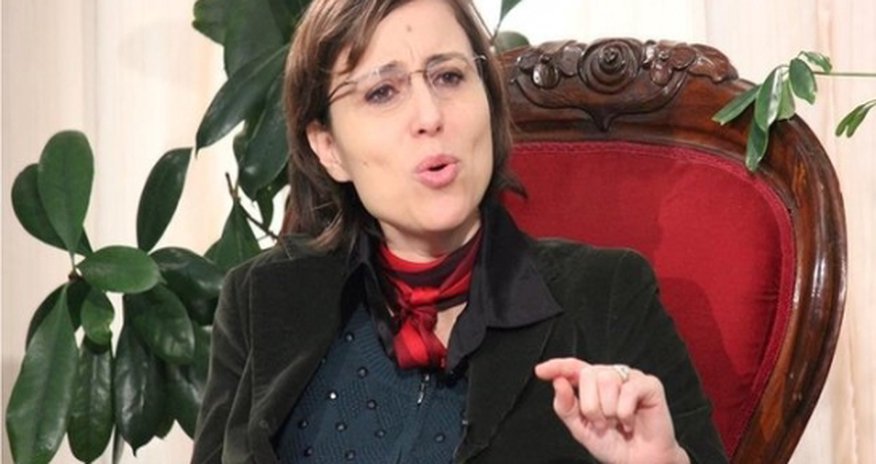


Tunisia's new constitution could usher in momentous change for women, following the adoption of a clause which guarantees gender equality in legislative assemblies and for steps to be taken to protect women against violence, a first in the Arab world.
"This article is a revolution in itself. It's a big, historic step, not only for Tunisian women," says Lobna Jeribi, who celebrated until the early hours of the morning after the constitution had been adopted.
Ms Jeribi is a member of the Ettakattol party, one of the secular coalition partners within the Islamist-led government. "It was a very emotional moment for me when we passed it," she says.
Ms Jeribi, a scientist, admits the issue of guaranteeing women and men equal representation in parliament never crossed her mind until she became a member of the constituent assembly in 2011 to chart a new course for Tunisia following the uprising that overthrew long-serving ruler Zine al-Abidine Ben Ali in January 2011.
"I always thought it was very much a feminist thing," she says.
"But we ourselves, in my party, were struggling to find women to participate in the political process. There is a culture and mentality of masculinity here. If we don't begin - the process will not start by itself."
But not everyone in the assembly agreed with her.
Her proposal led to a heated and emotional debate that lasted for three days and threatened to derail the vote on the constitution.
One of the sceptics was 60-year-old Fattouma Attia, an independent member of the assembly, who runs a textile business in the seaside resort of Hammamet.
"I was one of the first businesswomen in Tunisia," she says. "Not because someone decided there should be more women in business and handed me the opportunity, but because I wanted to run a business. I claimed my equal rights."
"I am convinced that a woman must take her place by herself, through her own will and her competence."
A key ally in Ms Jeribi's fight to get Article 45, the clause promoting equality, passed was Meherzia Labidi, vice-president of the assembly from the governing Islamist Ennahda party and the most senior female politician in the chamber.
Ennahda has the highest number of female lawmakers - 41 out of 90.
"We survived despotism and dictatorship due to female resistance, while the men were in exile or in prison," says Ms Labidi.
She had been campaigning in favour of the amendment, despite resistance within her party, which for the first time failed to maintain party discipline during the vote.
"It's one of the articles in the constitution that I am most proud of," she says with a beaming smile.
Ms Labidi vehemently rejects the suggestion that women should strive for opportunities in political life themselves, without any support.
"I have always achieved everything I wanted myself. Sometimes I wonder whether men could compete with me," she says. "But I am being realistic. Not all women can do this, they need to be given opportunities, that help them become leaders."
ANN.Az














 Photo




 Video


