





Yemen crisis: Saudi Arabia stops Houthi 'border attack'
01.05.2015 15:34


Saudi troops have repelled a major attack on their border by Houthi rebels from Yemen, Saudi state media says.
Air strikes carried out by a Saudi-led coalition have targeted the Shia Muslim rebels since late March.
But this is the first major assault on Saudi territory since the strikes began. The Saudi reports say "dozens" of rebels were killed.
As fighting continues, aid groups say a lack of fuel is severely hampering their operations in Yemen.
A statement by the Saudi Press Agency, SPA, said the attack happened on its southern border, near the Saudi town of Najran on Thursday.
Identifying the attackers as Houthi rebels and groups allied to them, SPA said Saudi ground exchanged fire with them and called in air strikes.
The rebels - who control much of northern Yemen, including the capital Sanaa - have been fighting forces linked to the government for several months.
Saudi Arabia and other Arab states have been carrying out air strikes since late March with the declared aim of restoring exiled President Abdrabbuh Mansour Hadi.
'Snipers in the streets'
Earlier on Thursday, a Saudi border guard was killed by a mortar shell close to the border with Yemen in the south-west Saudi province of Jizan, bringing to 14 the number of Saudis who have been killed during the last five weeks.
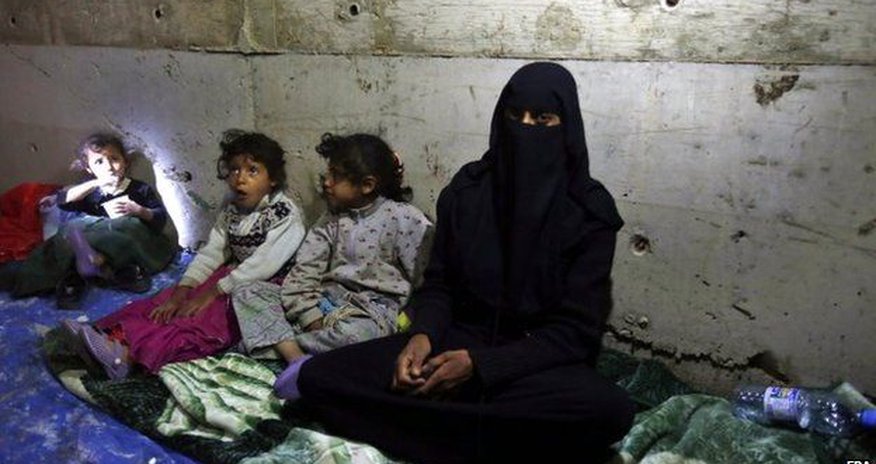
Meanwhile, UN Secretary-General Ban Ki-moon said that he was gravely concerned about the "continued ground fighting and aerial bombardment in Yemen and its impact on innocent civilians".
More than 1,200 people have been killed and 300,000 have fled their homes in the past six weeks, according to the UN.
"There are credible reports of families in Aden trapped by the bombardment and snipers targeting civilians in the street," a statement from Mr Ban said.
He called for an immediate ceasefire and urged all parties to ensure that humanitarian agencies have safe and reliable access.
On Thursday, the UN's World Food Programme (WFP) said it had been forced to withdraw from the western Hudaydah province after running out of fuel there - and that it may have to pull out of other areas soon.
The warning was echoed by the International Committee for the Red Cross, that said a lack of fuel - as well as restrictions on imports - meant hospitals were struggling to provide an adequate level of care.
Purnima Kashyap, the WFP's country director in Yemen, said: "This is a country where half the population are considered food-insecure, meaning that many families do not know where their next meal will come from."
(BBC)
www.ann.az


Telegram
Follow us on Telegram


Similar news
Similar news

World 12:30
Iran Urges Middle East Nations to Reject US Military Support, Warns of Retaliatory Strikes











 Photo




 Video


