





Pakistan heatwave: Death toll crosses 700 people in Sindh
29.05.2020 11:50


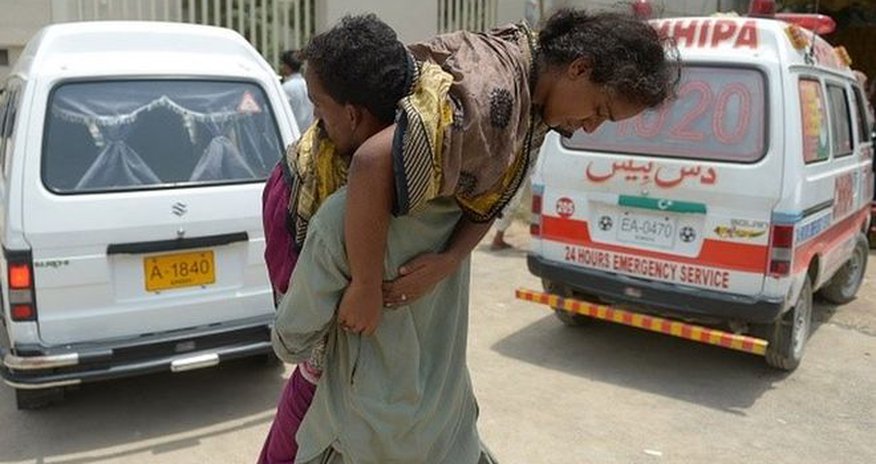
The death toll from an ongoing heatwave in Pakistan's southern Sindh province has passed 700, local media said, as mortuaries reached capacity.
Dawn newspaper said at least 744 people had died in Karachi and 38 in other areas, citing a government official.
The Edhi Welfare Organisation told the AFP news agency that their morgues had received hundreds of corpses and were now full.
Officials have been criticised for not doing enough to tackle the crisis.
"More than 400 dead bodies have so far been received in our two mortuaries in past three days," Edhi spokesperson Anwar Kazmi told AFP. "The mortuaries have reached capacity."
On Tuesday as temperatures reached 45C (113F), Pakistan's PM Nawaz Sharif called for emergency measures and the army was deploying to help set up heat stroke centres.
There is anger among local residents at the authorities because power cuts have restricted the use of air-conditioning units and fans, correspondents say.
Matters have been made worse by the widespread abstention from water during daylight hours during the fasting month of Ramadan.
On Tuesday, the National Disaster Management Authority (NDMA) said it had received orders from Mr Sharif to take immediate action to tackle the crisis.
This came as Sindh province Health Secretary Saeed Mangnejo said 612 people had died in the main government-run hospitals in the city of Karachi during the past four days. Another 80 are reported to have died in private hospitals.
Hot weather is not unusual during summer months in Pakistan, but prolonged power cuts seem to have made matters worse, the BBC's Shahzeb Jillani reports.
Sporadic angry protests have taken place in parts of Karachi, with some people blaming the government and Karachi's main power utility, K-Electric, for failing to avoid deaths, our correspondent adds.
The prime minister had announced that there would be no electricity cuts but outages have increased since the start of Ramadan, he reports.
There's anger on the street about the government's slow response to the crisis. The provincial PPP government appeared aloof and unresponsive. The federal government of Prime Minister Nawaz Sharif woke up to the tragic deaths on the third day.
While politicians blamed each other for not doing enough, the army - always keen to seize opportunities to demonstrate its soft power - sprang into action to set up "heat stroke relief camps".
By the fourth day, a campaign was launched to reiterate steps people should take in sizzling temperatures.
Many in Karachi feel that had the authorities moved proactively many lives could have been saved.
The hope now is that with the expected pre-monsoon rains later in the week the weather will improve. That will certainly provide much-needed respite to millions affected by the heatwave, but it won't change the chronic underlying problems this ever-growing city of 20 million faces - a dysfunctional infrastructure and poor governance.
(BBC)
www.ann.az


Facebook
Follow us on Facebook


Similar news
Similar news

World 12:30
Iran Urges Middle East Nations to Reject US Military Support, Warns of Retaliatory Strikes











 Photo




 Video


